How Clothing Became a Political Statement in the U.S.
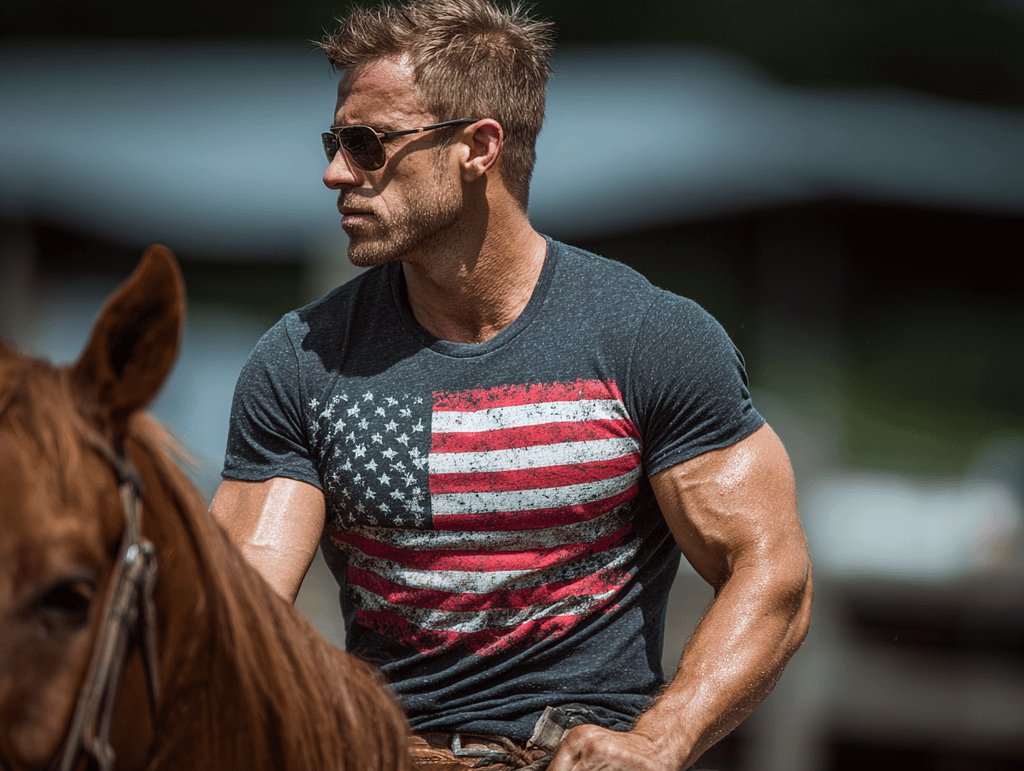
In today’s America, what you wear can speak louder than what you say.
A baseball cap, a graphic T-shirt, or even the choice of colors can instantly tell strangers where you stand on politics, values, or culture. A red Make America Great Again hat might spark a conversation—or an argument. A Black Lives Matter hoodie can serve as both solidarity and protest. A pro–Second Amendment shirt can feel like a badge of identity.
Clothing has always been part of personal style, but in modern America it’s evolved into something more—a portable billboard for beliefs. Whether intentional or not, our outfits have become visual soundbites in a country where expression is both fiercely protected and endlessly debated.
The Roots: Clothing as Identity in American History
From the start, America has worn its politics on its sleeve—literally.
During the Revolutionary War, the choice of clothing wasn’t just about fabric; it was about allegiance. Patriots donned homespun garments as a rejection of British imports, a subtle but powerful economic protest. The Liberty cap, a soft, conical hat, became an early symbol of defiance, recognized in taverns and town squares as a quiet sign you stood for independence.
In the Civil War, clothing left no room for ambiguity. Blue or gray was more than a uniform—it was your side in the bloodiest conflict in U.S. history. Even civilians used ribbons, badges, and armbands to signal their loyalty.
By the early 20th century, the symbolism had shifted from war to rights. Suffragettes marched in crisp white dresses, sashes draped proudly across their chests, using fashion as a form of moral contrast—purity, dignity, and a visual statement that demanded change.
Through each era, clothing didn’t just reflect the times—it shaped the conversation. It was a way to speak when words were too dangerous, too distant, or too easily ignored.
The Counterculture Explosion (1960s–1980s)
By the 1960s, America’s streets had become a battleground of ideas—and clothing was one of the loudest weapons.
The Vietnam era brought a clash of values that could be read in an instant from someone’s outfit. For many, military uniforms and gear still carried the honor and pride of service, a visible link to sacrifice and patriotism. Yet in the same era, others began repurposing these garments to push an anti-war message—turning symbols of duty into platforms for protest. It was a reminder that in America, the same jacket could mean two very different things depending on who wore it and why.
Meanwhile, the Civil Rights Movement used style as a statement of strength. Marchers in sharp suits, polished shoes, and Sunday-best dresses projected discipline, dignity, and resolve—forcing the nation to see them on their own terms.
By the 1970s and 80s, new subcultures embraced fashion as a way to reject the mainstream altogether. From the leather and denim of biker culture to the rough-edged rebellion of punk, clothing became a banner for identity—sometimes for patriotism, sometimes for defiance.
In these decades, political fashion became impossible to ignore. It could unite, it could divide, but it always sent a message.
The Modern Era: Clothing as a Political Billboard
By the 1990s and early 2000s, political messages on clothing had moved from the fringes to the mainstream. Slogan T-shirts, campaign merchandise, and cause-based apparel became part of everyday wear. If the 20th century was about subtle signals, the 21st made them impossible to miss.
Social media accelerated the trend. A shirt worn at a rally could be photographed, posted, and shared with millions in hours—turning local statements into national conversations. Clothing wasn’t just fashion anymore; it was broadcast media.
For conservatives and patriots, this era opened the door to apparel that proudly displayed values without apology. From red Make America Great Again caps to shirts supporting the Second Amendment, the American flag, or our military, clothing became a way to stand firm in a time of political noise. A well-worn camo hoodie, a pro-2A tee, or a trucker hat with an eagle on the front said more than a hundred debates ever could.
At the same time, political apparel on all sides of the spectrum became flashpoints. What one person saw as pride, another saw as provocation. Yet that’s exactly what gives political clothing its power—it’s a statement you carry into the public square, visible to anyone who looks your way.
Why Clothing Works as Political Speech
Clothing works as political speech because it’s impossible to ignore. You don’t have to shout, you don’t have to argue—you just walk into a room, and your message is already there.
It’s also protected speech. The First Amendment doesn’t just cover what you say—it covers what you wear when that clothing expresses a belief. From a flag patch on a jacket to a T-shirt supporting the Second Amendment, your right to wear your convictions is part of the American promise of free expression.
Political apparel also has emotional power. It creates a sense of belonging—when you spot someone wearing the same patriotic hat or shirt, you know you share common ground before you’ve even spoken. It signals loyalty, values, and sometimes defiance. In a divided political climate, that sense of solidarity matters more than ever.
And finally, it’s accessible. You don’t need a TV network, a big stage, or a microphone. A $20 shirt can carry your voice across a city, a state, or even the whole country if the right picture goes viral.
In America, your clothing isn’t just fabric—it’s a flag you choose to fly every day.
The Current Climate: Division, Patriotism, and Provocation
In today’s America, a shirt or hat can do more than keep you comfortable—it can put you in the middle of a national conversation.
Patriotic apparel, once seen as a universal symbol of unity, has in some circles become a line in the sand. For many Americans, wearing the flag, a “Don’t Tread on Me” design, or a shirt honoring our military is an act of pride—an open declaration of loyalty to the country, its Constitution, and those who defend it. But in a climate where even the flag can be politicized, these same symbols can also draw criticism or provoke strong reactions.
Tactical clothing and pro–Second Amendment gear have followed the same path. For those who wear them, they’re a statement of self-reliance, constitutional rights, and preparedness. For others, they can be misunderstood as aggressive or confrontational. The truth is, meaning depends on perspective—and perspective is shaped by the values you carry.
Brands and public figures have also discovered that taking a stand through clothing comes with both risks and rewards. Some gain loyal customers by embracing patriotism openly; others face boycotts for doing the same. In this environment, wearing your beliefs isn’t just fashion—it’s a commitment to standing by them no matter the response.
The Future of Political Fashion in America
Political fashion in America isn’t slowing down—it’s evolving. As technology makes it easier to create custom designs, more people are turning their beliefs into wearable art. Small businesses, local print shops, and independent brands are producing shirts, hats, and patches that speak directly to specific values—whether it’s defending the Second Amendment, honoring veterans, or promoting a strong national identity.
The line between politics and lifestyle is also blurring. For many, patriotic clothing isn’t just something to wear at a rally—it’s part of everyday life. A flag cap at the grocery store, a camo hoodie on a weekend trip, or a pro-freedom decal on a jacket isn’t “making a statement” anymore—it’s simply who they are.
We can also expect political clothing to get more personal. Instead of mass-produced slogans, the future will likely bring smaller runs of designs tailored to local communities, niche causes, and specific cultural movements. The message will be sharper, and the connection between wearer and audience will be stronger.
In a country where free expression is a cornerstone, the future of political fashion is bright for those willing to wear their convictions with pride.
Conclusion
In America, clothing has always been more than fabric—it’s a flag, a shield, and sometimes a challenge. From the Liberty cap to today’s patriotic hats and pro–2A shirts, what we wear tells the world where we stand.
Wearing your beliefs isn’t about starting a fight—it’s about standing tall in what you believe, honoring the freedoms that allow you to speak without saying a word. In a time when convictions are tested daily, political fashion is more than style. It’s a declaration.
So wear it boldly. Wear it proudly. And never forget that in the United States of America, your right to be heard can be stitched, printed, and worn right over your heart.
Stand Proud. Stay Strong
American Edge Wear
Frequently Asked Questions
Why has clothing become political in the U.S.?
Clothing in America has long carried meaning, but in recent decades it’s become a direct way to show beliefs. Social media, 24/7 news, and a divided political climate have made visual symbols—like patriotic shirts, hats, and slogans—more powerful than ever.
Is wearing patriotic clothing considered political?
For many Americans, patriotic clothing is simply an expression of pride and respect for the country. However, in today’s polarized environment, it can also be seen as a political stance, depending on who’s looking.
Can clothing be protected under the First Amendment?
Yes. In the U.S., the First Amendment protects clothing as a form of symbolic speech when it expresses an opinion or belief, as long as it doesn’t violate other laws (such as obscenity or incitement).
What are examples of political clothing today?
Modern political clothing includes items like MAGA hats, pro–Second Amendment shirts, “Don’t Tread on Me” designs, military and tactical apparel, and other garments that carry clear messages or symbols.