What Does Wearing the American Flag Really Mean?
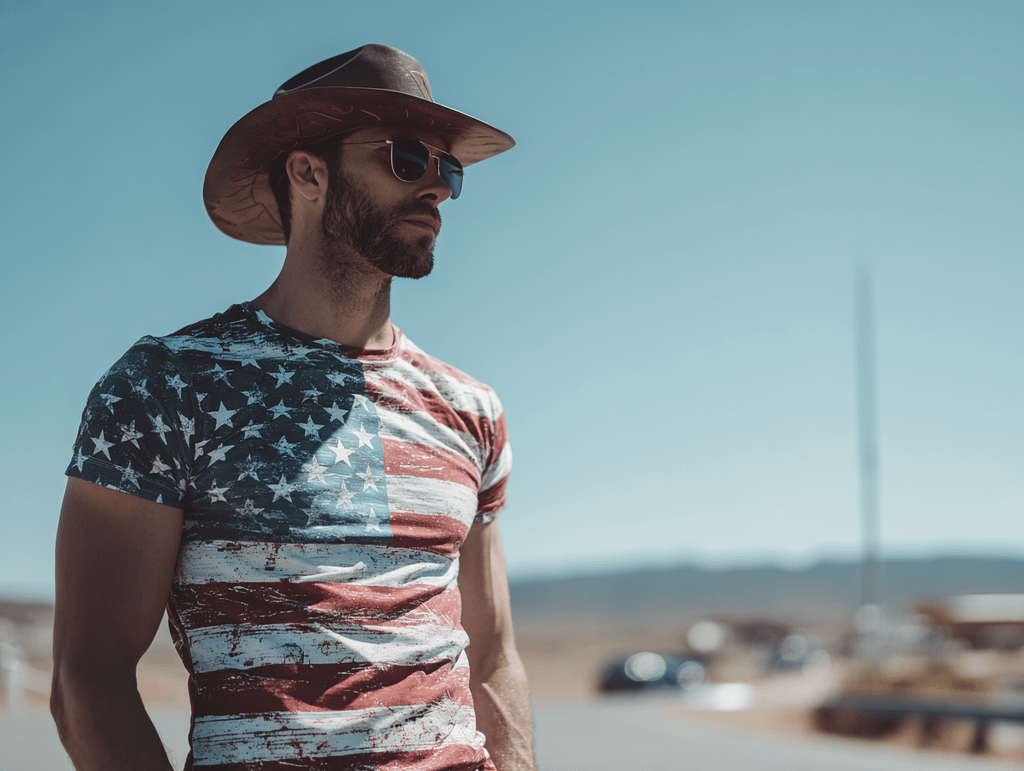
When you wear the American flag, you’re not just putting on a piece of clothing — you’re wrapping yourself in a story.
It’s a story of battles fought and freedoms earned, of triumphs that united millions and tragedies that brought them closer.
For some, it’s a way to honor service and sacrifice; for others, it’s a symbol of personal identity or a bold statement in a crowded room.
Over the years, the flag has moved beyond the pole and into our closets — stitched into shirts, printed on jackets, and even worked into subtle accessories. It has become a part of how Americans express pride, memory, and even protest. Wearing it can unite, inspire, or spark debate, depending on the time and place.
In this article, we’ll explore the deeper meaning of wearing the American flag — from its historical roots to its place in modern culture — and why, even in a fast-changing world, it still matters today.
The Historical Roots of Wearing the Flag
The tradition of wearing the American flag didn’t start in fashion runways or sports stadiums — it began in moments of unity, conflict, and national pride.
Revolutionary Beginnings
In the early years of the United States, the flag was more than a national emblem — it was a rallying point. While clothing bearing the flag wasn’t yet common, patriots displayed the stars and stripes on badges, sashes, and other personal items to declare their allegiance in a time when the young nation’s survival was far from guaranteed.
The Military Connection
By the 19th and early 20th centuries, the flag began to appear on military uniforms, patches, and pins, symbolizing both national pride and unity among service members. This visible connection between the flag and those who served would later influence how civilians used flag imagery in daily life.
World War II and the Rise of Civilian Flag Wear
During World War II, the American flag became a potent symbol on the home front. Civilians wore flag pins, scarves, and even dresses to boost morale and show solidarity with troops overseas. This era marked the beginning of the flag as wearable patriotism for everyday Americans, not just soldiers.
The Cultural Shift of the 1960s and 70s
In the Vietnam era, wearing the flag took on new layers of meaning. For some, it was a gesture of unwavering patriotism; for others, it became an act of protest, reinterpreting the flag’s meaning to challenge the status quo. Musicians, artists, and activists wore flag-themed clothing to spark dialogue — and sometimes controversy — about what it meant to be American.
From these historical moments, wearing the flag evolved into a way for individuals to publicly align themselves with values, causes, or communities — a tradition that continues, in varied forms, to this day.
The American Flag in Modern Culture
In today’s America, the flag isn’t just flown — it’s worn, styled, and reimagined across every corner of culture. From the stadium to the sidewalk, from music festivals to political rallies, wearing the flag has become a visual shorthand for identity, pride, and, sometimes, defiance.
Post-9/11 Unity and Patriotism
After the attacks of September 11, 2001, the American flag experienced a surge in public display — not just on buildings and vehicles, but in everyday apparel. Flag shirts, hats, and pins became a quiet form of solidarity, a way to say we’re in this together without uttering a word.
Sports and National Pride
Major sporting events — especially the Olympics, the World Cup, and the Super Bowl — have become showcases for patriotic attire. Fans and athletes alike wear flag-themed gear to project unity and passion for the nation, blending team spirit with national pride.
Streetwear and Fashion Influence
High-end fashion houses and independent designers alike have integrated the flag into streetwear collections, often mixing traditional stars and stripes with modern cuts, distressed textures, or unconventional color schemes. This adaptation has pulled flag apparel into everyday wardrobes beyond just holiday wear.
Protest and Political Statements
In recent decades, wearing the flag has also become a form of political expression. Whether in support of the military, as a sign of resistance, or as commentary on the state of the nation, the flag’s appearance in fashion often carries a message. That message can unite, inspire, or provoke — sometimes all at once.
The modern visibility of the American flag in clothing reflects a broader truth: the flag is no longer confined to official ceremonies. It lives in the culture — adaptable, personal, and deeply symbolic — with its meaning shifting depending on who wears it and why.
Symbolism & Personal Meaning
For most people, wearing the American flag isn’t about fabric or fashion trends — it’s about what it represents. The same shirt can mean very different things depending on the heart that wears it.
Patriotism and Belonging
For many, the flag is a badge of loyalty — a reminder of shared values, shared history, and a shared home. Wearing it can signal unity in moments of celebration or crisis, creating a quiet bond between strangers who recognize the same symbol.
Freedom and Individual Expression
The flag also stands for the freedoms that make self-expression possible. Ironically, that includes the freedom to wear it in ways that are traditional, unconventional, or even critical. For some, putting on the stars and stripes is a declaration: I can wear my nation however I choose.
Honoring Service and Sacrifice
For veterans, active-duty service members, and their families, wearing the flag often carries a deeply personal weight. It’s not just national pride — it’s a tribute to the people who risked everything under that banner.
Identity and Heritage
The flag can be an anchor for those reconnecting with their roots, whether they’re first-generation Americans or part of a lineage that has lived here for centuries. In these cases, the act of wearing the flag becomes an intimate acknowledgment of personal history and belonging.
When the American flag is worn, it transforms from a national emblem into something private and individual. It can be a shield, a statement, a celebration, or a reminder — and sometimes all of those at once.
The Flag Code & Respect
The U.S. Flag Code — first introduced in 1923 — was created to outline traditions for displaying and handling the American flag. At the time, flag-themed apparel wasn’t a cultural norm, so the guidelines focused on treating the flag as a ceremonial emblem rather than an element of personal style.
Over the decades, American culture has evolved. Wearing the flag has become a common and respected way to express patriotism, especially on national holidays, at sporting events, and during moments of unity. Many service members, veterans, and proud citizens now see flag apparel as a living tribute — a way to carry the symbol with them wherever they go.
Respect Comes from Intention
While some traditionalists interpret the Flag Code strictly, most Americans today understand that wearing the flag can be done with dignity and honor. The difference often comes down to intention and presentation. High-quality, well-designed apparel shows reverence for the symbol, while sloppy or careless designs can send the wrong message.
Your Freedom, Your Expression
The First Amendment protects expressive uses of the flag — meaning you’re free to wear it in a way that reflects your pride and personal connection. By choosing respectful, purposefully designed apparel, you’re not just making a fashion choice — you’re participating in a tradition of honoring the values the flag stands for.
Wearing the American flag respectfully bridges tradition and modern expression. Done right, it’s not just clothing — it’s a statement of unity, pride, and identity.
Why It Still Matters Today
In a world of fast-changing trends and constant noise, the American flag remains a constant — a symbol instantly recognized, instantly felt. Wearing it today isn’t just about style; it’s about connection.
A Visible Thread in a Divided Time
At a time when Americans often disagree on politics, policy, and priorities, the flag can still act as a bridge. Wearing it can be a way to say, I’m proud of where I come from — even if we don’t agree on everything. It’s a shared language of identity that cuts across many divides.
A Tribute to History and Heritage
Every generation inherits the flag’s story — not as a static image, but as a living narrative that reflects the struggles and achievements of its time. Wearing the flag is a way of carrying that story forward, reminding others that history is not forgotten.
A Personal Statement of Pride
For many, wearing the flag is a daily ritual of self-expression, as natural as wearing their favorite team’s colors. It’s a reminder of personal freedoms, family stories, and values worth protecting.
A Symbol That Adapts Without Losing Its Power
From military patches to festival fashion, the flag has evolved with the culture — yet its meaning endures. Whether worn at a holiday barbecue, a veteran’s parade, or on a quiet walk, the act carries weight because the symbol carries weight.
In a time when symbols are fleeting, the American flag still commands respect, recognition, and emotion. Wearing it keeps that tradition alive in a uniquely personal way.
How to Wear the Flag with Pride
Wearing the American flag is more than a fashion choice — it’s a chance to show pride, honor tradition, and share your connection to the nation. The key is to do it in a way that feels authentic to you while maintaining the respect the symbol deserves.
Choose Quality Over Gimmicks
A well-made shirt, jacket, or accessory communicates care and intention. High-quality materials, thoughtful designs, and durable prints not only look better but also reflect the pride you take in representing the flag.
Match the Moment
Think about where you’re wearing it. A classic flag tee might be perfect for a Fourth of July barbecue, while a more refined design works well for a Memorial Day ceremony or Veterans Day event. Sporting events, charity runs, and community gatherings are also great opportunities to wear your pride.
Blend Tradition with Your Style
The flag pairs well with both casual and elevated looks. Try a distressed flag shirt with jeans for a rugged vibe, or a clean, bold print with a blazer for a smart-casual touch. Accessories like hats, pins, or scarves can add a subtle nod to patriotism without overpowering your outfit.
Respect the Symbol
Avoid designs that appear torn, dirty, or otherwise disrespectful unless they are clearly symbolic (for example, representing resilience or historical grit). Keep it clean, well-fitted, and worn with pride.
Make It Yours
Whether you choose a vintage style, a bold black-and-white interpretation, or a classic stars-and-stripes design, pick a piece that feels true to your personality. The flag’s meaning comes alive when it’s part of your authentic self-expression.
Conclusion — More Than Fabric, More Than Fashion
The American flag has traveled far from the battlefield and the front porch. It now lives on shirts, jackets, hats, and accessories — carried not just on poles, but on people. When you wear it, you’re not only making a style choice; you’re taking part in a tradition that stretches back through centuries of triumphs, trials, and transformation.
Whether you wear it to honor service, celebrate a holiday, or make a personal statement, the meaning of the American flag is shaped by the person who wears it. In your hands — and on your shoulders — it becomes a living symbol, one that adapts to the moment while carrying the weight of history.
Wearing the flag still matters because it reminds us of who we are, where we’ve come from, and what we stand for. It’s a shared emblem in a time that often feels divided — a way to connect without speaking, and to carry the story of America into every space you enter.
Wear it with pride. Wear it with purpose. Wear it your way.
Browse our American Flag Shirt Collection to find a piece that honors the symbol, fits your style, and tells your story.
Stay Strong,
American Edge Wear
Frequently Asked Questions
Is it legal to wear the American flag on clothing?
Yes. In the United States, it is legal to wear the American flag on clothing, including American flag T-shirts, hats, and other patriotic apparel. The U.S. Flag Code offers respectful-use guidelines, but they are not enforceable by law.
What does wearing the American flag symbolize?
Wearing the flag is often a symbol of patriotism, unity, and pride in American values. For some, flag apparel also reflects personal identity, military support, or a love for the nation’s heritage.
Can the American flag be used on T-shirts?
Yes. Many brands create patriotic shirts and stars and stripes clothing for everyday wear and national holidays. While the Flag Code discourages using the flag as actual fabric, printed designs are legal and widely accepted.
Is it disrespectful to wear the American flag?
Opinions differ. Some traditionalists feel wearing the American flag is inappropriate, while many see it as a proud display of loyalty—especially when worn on patriotic T-shirts during events like Independence Day or Memorial Day.
How should you style a shirt with the American flag?
Keep the flag shirt the centerpiece. Pair it with jeans, denim jackets, or neutral-toned layers so the stars and stripes stand out. This works for both casual everyday looks and more rugged Americana styles.
Why is the American flag popular in fashion?
The American flag is a timeless cultural icon. Its bold colors and design translate well into flag apparel, giving wearers an easy way to express national pride while making a style statement. This is why American flag shirts remain popular year after year.